
Top Foundation Repair Products To Address Common Structural Challenges
Identify key products that target typical foundation problems and restore stability with proven effectiveness.
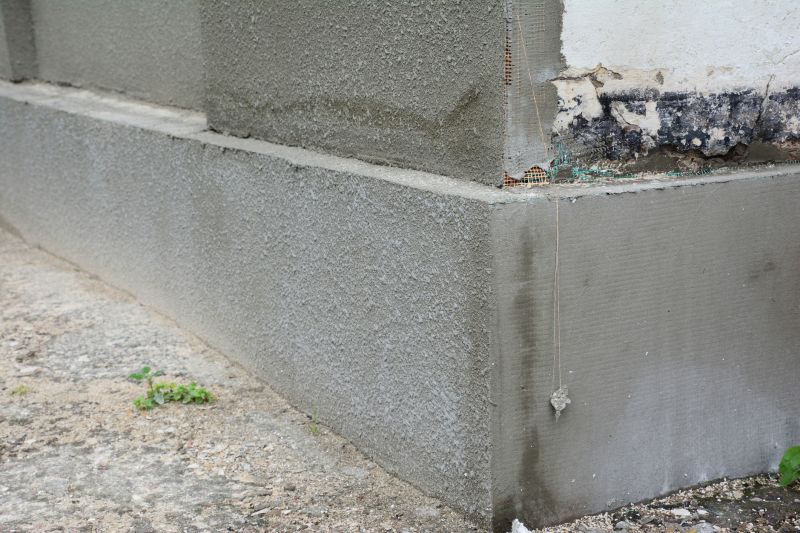 Foundation repairs are a critical aspect of maintaining the structural integrity of a building, especially in areas like Lawrenceburg, KY, where soil conditions and weather patterns can impact foundational stability. Selecting the right products for foundation repair involves understanding various solutions designed to address different types of issues such as settling, cracking, or shifting. These products are engineered to provide stabilization, lift, or reinforcement to ensure the foundation remains secure over time.
Top Overall Option
Polyurethane Foam Injection System
Polyurethane foam injection systems are versatile and widely used for stabilizing and lifting foundations. They are suitable for filling voids, sealing cracks, and providing quick, minimally invasive solutions. These systems expand upon injection, offering a reliable way to restore stability without extensive excavation, making them a popular choice among professionals for various foundation issues.
Types of Products For Foundation Repairs
Epoxy Injection Kits
Designed for sealing cracks and restoring structural integrity, epoxy injection kits are effective for minor to moderate cracks in concrete foundations.
Polyurethane Foam Fillers
Used to fill voids and stabilize the foundation, these foam fillers expand to provide support and prevent further shifting.
Carbon Fiber Reinforcement Strips
Applied to reinforce cracked or bowed walls, these strips add tensile strength and prevent further movement.
Steel Push Piers
Steel push piers are installed beneath the foundation to lift and stabilize sinking structures, suitable for significant settlement issues.
Helical Piers
Helical piers are screw-in foundations used to stabilize and lift foundations with deep or difficult soil conditions.
Concrete Underpinning
This method involves extending the foundation's support system to more stable soil layers, often using concrete piers or blocks.
Mudjacking / Slab Jacking
A technique that lifts sunken slabs or concrete by pumping a slurry beneath them, restoring levelness.
Drainage and Waterproofing Products
Solutions such as French drains and waterproof membranes help manage water around the foundation, preventing future damage.
Soil Stabilization Products
Materials used to improve soil strength and reduce settlement, including chemical injects and stabilization grids.
Anchor Bolts and Braces
Used to reinforce walls and prevent bowing or shifting, these products provide additional structural support.
Grout and Mortar Patches
For sealing minor cracks and filling small voids, these materials help prevent water intrusion and further deterioration.
Vapor Barriers
Installed beneath or around the foundation to control moisture and prevent soil expansion and contraction.
Lateral Support Systems
Products such as underpinning and wall braces that provide lateral stabilization to prevent shifting or collapse.
Popular Choices
Commonly used for sealing cracks and restoring concrete integrity, epoxy injections are a practical choice for minor repairs.
Widely utilized for void filling and lifting, polyurethane foam offers quick and minimally invasive stabilization.
A preferred method for lifting and stabilizing sinking foundations, especially in cases of significant settlement.
Effective for deep soil conditions, helical piers are popular for their ability to provide strong, stable support.
A durable solution for deep foundation stabilization, underpinning is often chosen for severe settlement issues.
A cost-effective option for leveling sunken concrete slabs, commonly used in driveways and patios.
French drains and waterproofing membranes are trending for protecting foundations from water-related damage.
Increasingly popular for wall stabilization, carbon fiber strips are effective for minor to moderate bowing.
Applying waterproof membranes helps keep moisture away from the foundation, reducing deterioration risks.
Chemical injections to improve soil stability are gaining popularity for preventing future settlement.
Homeowners and contractors often consider a combination of products to address specific problems effectively. For instance, some solutions are suitable for minor cracks, while others are designed for extensive foundation shifts. Proper assessment by a professional can help determine the most appropriate products for each unique situation. When choosing foundation repair products, it's essential to prioritize quality, compatibility with existing structures, and ease of installation.
In addition to traditional methods, modern foundation repair products incorporate advanced materials that enhance durability and performance. These include epoxy injections for crack sealing, polyurethane foams for void filling, and steel or carbon fiber reinforcements for added strength. Understanding the different types of products available can help property owners make informed decisions, ensuring long-lasting results and minimizing future issues.
The variety of foundation repair products available on the market today offers options for all levels of repair needs. Whether dealing with minor cosmetic cracks or significant structural shifts, there are solutions designed to address each scenario effectively. Consulting with a foundation specialist can provide guidance on the most suitable products, ensuring safety and stability for your property in Lawrenceburg, KY.
Key Buying Considerations
- Assess the extent and type of foundation damage to determine suitable repair products.
- Consider the soil and environmental conditions specific to Lawrenceburg, KY, which may influence product performance.
- Evaluate the compatibility of repair products with existing foundation materials and structures.
- Prioritize products that offer long-term durability and resistance to local weather factors.
- Choose solutions that are minimally invasive when possible, especially for minor cracks or surface issues.
- Review the installation requirements and whether professional assistance is necessary.
- Check for product certifications and compliance with relevant building codes.
- Determine the potential need for supplementary products such as waterproofing or drainage systems.
- Consider the ease of future inspections and repairs with selected products.
- Factor in your budget and the expected lifespan of the repair solutions.
- Research product warranties or guarantees offered by suppliers or manufacturers.
- Consult with a foundation specialist to ensure proper product selection and application.
- Look for products with proven performance records in similar soil and foundation conditions.
- Evaluate the environmental impact and safety of the repair materials used.
- Ensure that the selected products are suitable for the specific foundation type (slab, crawl space, basement, etc.).